
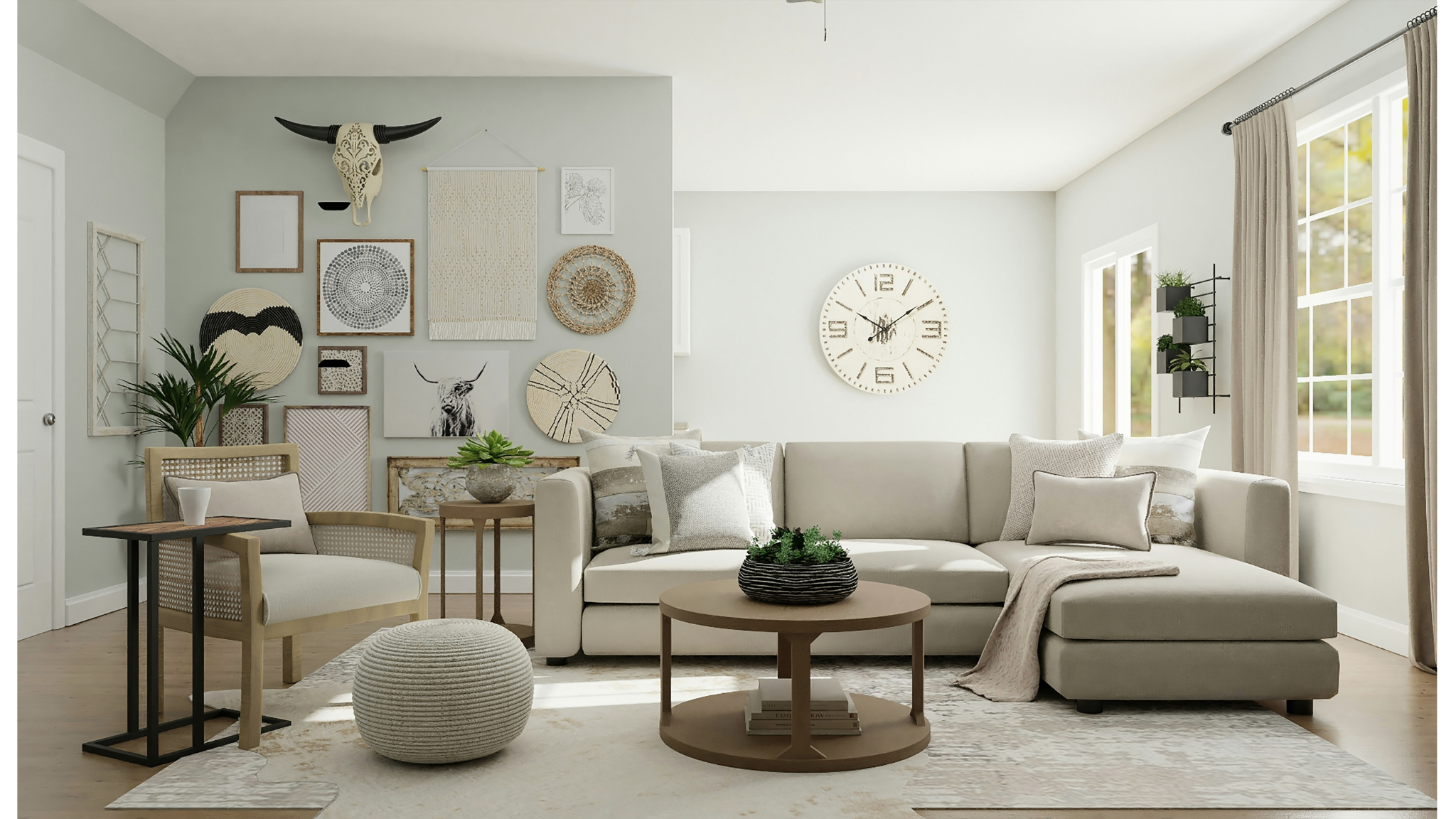
Professional Waiting Room Decoration Ideas for a Modern and Comfortable Space
Why Waiting Room Decoration Matters
A waiting room acts like the handshake of your business. Before clients speak with staff members or experience services, they silently judge the atmosphere around them. If the room feels clean, stylish, organized, and comfortable, visitors naturally feel more confident and relaxed. On the other hand, a dull or outdated waiting area can create anxiety, discomfort, and even distrust. Psychology plays a huge role in interior design. Studies show that environment strongly affects human emotions, stress levels, and overall satisfaction. Soft lighting, warm colors, comfortable seating, and natural textures can make waiting feel shorter and less frustrating. Think about the difference between sitting in a cold airport hallway and relaxing in a luxury hotel lounge. The physical waiting time may be the same, but the emotional experience feels completely different. Businesses today understand that customer experience begins the moment a person enters the door. A professionally decorated waiting room helps create a memorable and positive brand image. Medical clinics use calming interiors to reduce patient anxiety, beauty salons create luxurious environments to increase customer comfort, and corporate offices design modern lounges to reflect professionalism and success. Another important factor is functionality. A waiting room should not only look beautiful but also work efficiently. The furniture arrangement should allow smooth movement, comfortable seating, and privacy when needed. Charging stations, Wi-Fi access, coffee corners, and organized magazines can significantly improve the visitor experience. Interior experts also explain that waiting rooms influence how long people are willing to stay patiently. A thoughtfully designed environment distracts the mind from time itself. Comfortable surroundings make visitors feel cared for, respected, and welcomed, which directly improves customer satisfaction and loyalty.
Modern Waiting Room Design Trends in 2026
The latest waiting room trends focus heavily on comfort, simplicity, and emotional wellness. Modern commercial spaces are no longer designed to look overly formal or intimidating. Instead, businesses are creating warm and inviting environments that feel closer to stylish living rooms than traditional office waiting areas. One of the biggest trends is warm minimalism. This style combines clean design with cozy materials and soft textures. Instead of empty white spaces and hard furniture, warm minimalism uses beige walls, wooden furniture, soft fabrics, curved seating, and warm lighting to create comfort without clutter. The atmosphere feels elegant yet approachable at the same time. Natural materials are becoming increasingly popular in waiting room decoration. Wood, stone, linen, cotton, rattan, and ceramic textures create a calming and organic environment. Interior designers believe natural materials help reduce stress because they visually connect people to nature. Indoor plants are also essential in modern waiting spaces because they improve air quality while adding freshness and beauty. Color trends are shifting away from cold gray tones toward earthy and calming palettes. Shades like olive green, cream, warm beige, terracotta, and muted brown are widely used in modern waiting areas. These colors create emotional warmth and help visitors feel more relaxed. Luxury waiting rooms are also incorporating dark wood finishes, textured walls, and soft gold accents for a sophisticated appearance. Technology integration is another major trend shaping waiting room design. Modern businesses are adding wireless charging stations, smart lighting systems, digital displays, and comfortable work-friendly seating. This approach makes waiting time feel more productive and enjoyable. Sustainability is influencing decoration choices as well. Businesses are investing in eco-friendly furniture, recycled materials, energy-efficient lighting, and sustainable décor pieces. Customers increasingly appreciate brands that care about environmental responsibility.
Choosing the Right Furniture
Furniture is the heart of every waiting room. Even the most beautiful space can feel uncomfortable if the seating is poorly designed. Comfortable furniture creates a welcoming atmosphere while supporting both aesthetics and functionality. In 2026, curved sofas and soft upholstered chairs are extremely popular because they create a more relaxed and human-centered environment. Sharp and rigid furniture designs are being replaced with rounded edges, textured fabrics, and ergonomic seating that encourages comfort during long waits. The layout of furniture matters just as much as the furniture itself. A crowded room filled with tightly packed chairs feels stressful and uncomfortable. Modern waiting rooms use open layouts that allow natural movement and personal space. Small coffee tables, side tables, and flexible seating arrangements make the room feel balanced and organized. Businesses should also consider the purpose of the waiting room when selecting furniture. Medical clinics may prioritize supportive seating and easy cleaning materials, while salons or luxury offices may focus more on elegant aesthetics and premium comfort. Family-friendly spaces often include modular seating, children's areas, and practical storage solutions. Texture plays an important role in modern furniture design. Velvet, boucle fabric, linen, leather, and woven materials add visual depth and luxury. Layering different textures makes the room feel warm and professionally designed rather than flat and generic. Smart furniture is also becoming more common. Chairs with charging ports, multifunctional benches with hidden storage, and modular furniture systems improve convenience while maintaining modern aesthetics.
Furniture Comparison Table for Waiting Rooms
Best Color Schemes for Waiting Rooms
Color has the power to completely transform emotional experiences inside a waiting room. Some colors create calmness and relaxation, while others generate energy and excitement. Choosing the right color palette is one of the most important parts of successful waiting room decoration. Neutral colors remain the safest and most professional option for modern waiting areas. Shades like beige, cream, warm white, taupe, and light gray create clean and calming environments. These colors also reflect natural light beautifully, making spaces appear larger and brighter. Earthy tones are dominating commercial interiors in 2026. Olive green, terracotta, muted brown, and sandy beige create warmth and comfort without overwhelming the room. These colors pair exceptionally well with wooden furniture, indoor plants, and natural textures. Luxury spaces often use darker accents for contrast. Deep charcoal, walnut brown, navy blue, and soft black details can add sophistication when balanced with lighter tones. Gold or brass decorative elements also create elegant and premium atmospheres. Color psychology should always guide design decisions. Blue tones encourage calmness and trust, green represents nature and balance, while warm neutrals promote comfort and emotional security. Bright red or neon colors are usually avoided in waiting rooms because they can increase anxiety and visual stress. Accent walls are another popular trend. Instead of painting the entire room one color, designers use feature walls with textured paint, wallpaper, wooden panels, or artistic murals to create visual interest without overcrowding the space.
Lighting Ideas for Elegant Waiting Areas
Lighting can completely change the personality of a waiting room. Even expensive furniture and beautiful décor can lose their impact if the lighting feels cold or harsh. The best waiting rooms use layered lighting techniques to create warmth, comfort, and visual depth. Natural light is highly valued in modern interior design. Large windows, glass partitions, and open layouts help bring sunlight into the room, making the space feel more energetic and welcoming. Natural light also improves mood and reduces stress levels for visitors. Artificial lighting should feel warm and soft rather than overly bright. Warm LED lighting is widely used because it creates a cozy atmosphere while remaining energy efficient. Pendant lights, wall sconces, table lamps, and recessed ceiling lights can work together to create balanced illumination. Accent lighting is another powerful decorative tool. Highlighting artwork, plants, textured walls, or reception desks with focused lighting creates visual interest and sophistication. Luxury hotels and premium offices often use indirect lighting to create calm and elegant environments. Modern businesses are also integrating smart lighting systems that adjust brightness automatically based on time of day and occupancy levels. This improves comfort while reducing energy costs. Lighting should always support functionality. Reading areas need sufficient brightness, reception desks should feel clear and welcoming, and seating areas should maintain comfortable visibility without glare.
Decorative Accessories and Wall Décor
Decorative details give waiting rooms personality and emotional warmth. Without accessories, even beautifully designed spaces can feel empty and lifeless. The secret is choosing décor pieces that enhance the atmosphere without creating clutter. Artwork is one of the most effective ways to elevate waiting room interiors. Abstract paintings, nature photography, textured wall art, and minimalist prints create visual interest and reinforce brand identity. Large statement artwork can act as a focal point that immediately captures attention. Mirrors are another powerful decorative tool, especially in smaller waiting rooms. Mirrors reflect light and create the illusion of more space while adding elegance and sophistication. Round mirrors with metallic or wooden frames are particularly trendy in modern interiors. Indoor plants are essential in contemporary decoration. Plants add freshness, improve air quality, and create a natural calming effect. Popular choices include snake plants, fiddle leaf figs, peace lilies, and pothos because they are both stylish and low maintenance. Decorative shelves with books, candles, ceramic pieces, and small sculptures create a curated and luxurious appearance. Businesses can also personalize spaces with branded décor elements that reflect their values and identity. Texture is extremely important in accessories. Woven baskets, textured cushions, linen curtains, and wooden wall panels add warmth and visual depth that make waiting rooms feel more inviting.
Waiting Room Decoration for Small Spaces
Small waiting rooms can still look elegant and professional when designed thoughtfully. The key is maximizing space while maintaining comfort and visual openness. Minimalist furniture works best in compact areas because it prevents overcrowding. Slim-profile chairs, floating shelves, and multifunctional furniture create functionality without making the room feel cramped. Mirrors are particularly valuable in small waiting rooms because they visually expand the space. Light colors also help reflect brightness and create an airy atmosphere. White, beige, and soft gray tones make compact spaces feel larger and more welcoming. Vertical storage solutions are extremely useful for organizing magazines, decorative accessories, and office supplies without consuming valuable floor space. Wall-mounted shelves and hidden storage benches improve functionality while maintaining clean aesthetics. Glass tables and open furniture designs create visual lightness, allowing the room to feel less crowded. Smart furniture placement is also important. Leaving clear walking paths improves flow and makes the environment feel more comfortable. Lighting becomes even more critical in small spaces. Proper illumination eliminates dark corners and enhances the feeling of openness. Combining natural light with warm artificial lighting creates a cozy and spacious atmosphere simultaneously.
Conclusion
A professionally decorated waiting room is more than a stylish space. It is an experience that shapes how visitors feel about your business from the very first moment. Modern waiting room decoration focuses on comfort, emotional wellness, functionality, and visual elegance. Warm colors, natural materials, comfortable furniture, soft lighting, and thoughtful accessories work together to create environments that feel welcoming and professional. Businesses today understand that interior design directly influences customer satisfaction, trust, and brand identity. Whether your waiting room is large or small, luxury or budget-friendly, the key is creating balance between comfort and style. A carefully designed waiting area can reduce stress, improve experiences, and leave lasting positive impressions on every visitor.
FAQs
1. What is the best color for a waiting room?
Warm neutral colors like beige, cream, olive green, and soft gray create calm and professional environments.
2. How can I make a small waiting room look bigger?
Use mirrors, light colors, slim furniture, and proper lighting to create the illusion of more space.
3. What furniture is best for waiting rooms?
Comfortable upholstered chairs, curved sofas, and modular seating are excellent choices for modern waiting areas.
4. Why are indoor plants important in waiting rooms?
Plants improve air quality, reduce stress, and create fresh and welcoming environments.
5. What decoration style is trending for waiting rooms in 2026?
Warm minimalism with natural materials, earthy colors, cozy textures, and smart functionality is highly popular.